
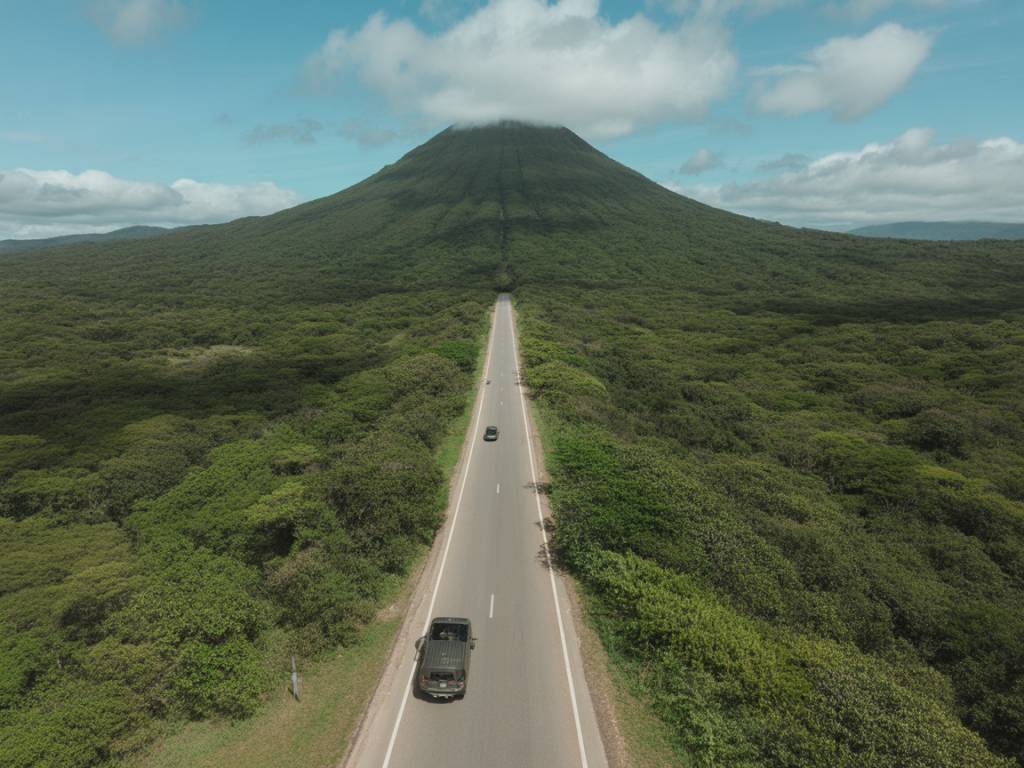
Why Southern Costa Rica Is Perfect for a “Soda” Road Trip
Southern Costa Rica is often overshadowed by the more famous regions around San José, La Fortuna, and Tamarindo, yet the stretch from Uvita down toward Ojochal, Palmar Norte, and Golfito is one of the country’s most rewarding areas for food lovers. At the heart of this experience is the humble but beloved soda – Costa Rica’s traditional, family-run diner where locals gather for hearty, home-style meals at affordable prices.
Using Uvita as a base, travelers can embark on a flexible, slow-paced road trip designed around these small eateries. This “soda route” is less about ticking landmarks off a list and more about discovering authentic Costa Rican cuisine, meeting local families, and tasting regional specialties in towns most visitors simply drive past. For travelers interested in food culture, budget-friendly dining, and immersive travel experiences, this coastal and mountain corridor offers a uniquely satisfying journey.
What Is a Costa Rican “Soda” and Why You Should Seek Them Out
In Costa Rica, a soda is not a drink but a small, usually family-owned restaurant serving traditional dishes. Some look like simple roadside shacks; others are semi-open dining rooms overlooking jungle-clad hills or the Pacific Ocean. Menus tend to be short, focused, and based on what is fresh and local that day.
Common staples you will find along the southern Pacific coast include:
- Casado – the classic Costa Rican plate with rice, beans, salad, plantains, and your choice of protein (chicken, fish, beef, or vegetarian).
- Gallo pinto – a breakfast dish of rice and beans sautéed with onion, cilantro, and peppers, often served with eggs, cheese, and tortillas.
- Sopa de mariscos – seafood soup featuring fresh fish, shrimp, and shellfish in a rich broth, popular close to the coast.
- Chifrijo – a bar-style dish of rice, beans, fried pork, pico de gallo, and tortilla chips, ideal for sharing.
- Natural juices – fruit smoothies made with water or milk using pineapple, mango, soursop, passion fruit, and more.
Unlike many tourist-oriented restaurants, sodas are where you feel the rhythm of everyday life. Truck drivers, office workers, surfers, and families all gather around the same plastic tables. Prices are generally lower than in international restaurants, and the atmosphere is relaxed and unpretentious. This makes them ideal for a culinary road trip that combines flavor, authenticity, and value.
Planning Your Soda Route from Uvita
Uvita, a small but growing beach town on Costa Rica’s southern Pacific coast, is a strategic starting point for exploring the region’s food scene. Located along the Costanera Sur (Route 34), Uvita is close to both inland communities and neighboring coastal towns such as Dominical and Ojochal. Its central position, paired with reliable services and accommodations, makes it a practical base for day trips.
Before setting out on a soda-focused road trip, consider the following:
- Transport – Renting a car is the most flexible option, especially a 4×4 if you plan to explore mountain roads during the rainy season. Public buses connect major towns, but they offer limited flexibility for a food-focused itinerary.
- Timing – Many sodas open early for breakfast and close mid-afternoon. Some reopen for dinner, but hours can be irregular. Eating your main meal at lunchtime increases your chances of finding a full menu and fresh dishes.
- Cash – While more places accept cards, many small sodas still prefer cash, especially outside the main tourist centers. Carry colones for smoother transactions.
- Local recommendations – Ask locals where they eat. Hotel staff, tour guides, and supermarket employees will often point you to small, excellent spots not listed on maps or review sites.
Morning in Uvita: Breakfast at a Local Soda
Start the day near Uvita’s central crossroads, where several sodas serve typical Costa Rican breakfasts. This is the best time to sample a proper gallo pinto, accompanied by fresh coffee from nearby highland farms.
Order a “desayuno típico” and you can expect a plate of rice and beans, scrambled or fried eggs, a slice of salty local cheese, ripe plantains, and hot tortillas. The simplicity of the ingredients hides the care that goes into preparation: properly seasoned beans, homemade tortillas, and coffee brewed strong and black.
After breakfast, consider a short detour to Marino Ballena National Park for a walk on the beach or a whale-watching tour (in season). Spending the morning by the ocean sharpens the appetite for seafood-based sodas later in the day.
Heading North: Dominical’s Surf Vibe and Roadside Sodas
A 15–20 minute drive north from Uvita brings you to Dominical, a laid-back surf town with a mix of backpacker cafes and traditional eateries. Just before and after Dominical, look for modest structures with hand-painted signs reading “Soda” or “Comidas típicas” along the roadside.
Dominical’s proximity to the sea makes it a good place to try:
- Arroz con camarones – rice stir-fried with fresh shrimp, vegetables, and local seasonings.
- Pescado entero – whole fried or grilled fish, often snapper or sea bass, served with salad and patacones (fried green plantain rounds).
- Ceviche – marinated raw fish cured in lime juice with cilantro, onion, and pepper, served with crackers or plantain chips.
Many sodas in and around Dominical have an open-air layout, with ocean breezes and the sound of waves in the background. It is common to see surfers eating in board shorts next to local workers on their lunch break. This casual mix adds to the character of the soda experience along the southern Pacific.
South to Ojochal: From Traditional Sodas to Gourmet Influences
Heading back through Uvita and continuing south on Route 34, you will reach Ojochal in about 20 minutes. Ojochal is known as one of Costa Rica’s most interesting culinary villages, with a concentration of high-end restaurants and international chefs. Yet, just off the main road and further into the community, traditional sodas still provide the backbone of daily dining.
This contrast creates an appealing mix for food lovers. You can eat a rustic casado for lunch at a soda and enjoy refined fusion cuisine in the evening. In the sodas of Ojochal and its surroundings, look for:
- Casado de pescado – a plate of grilled or fried fish with rice, beans, salad, plantains, and sometimes a scoop of squash or vegetable stew.
- Olla de carne – a traditional beef and vegetable stew, usually served as a generous portion with rice on the side.
- Jugos naturales with tropical fruits from nearby farms, including starfruit, passion fruit, and guanábana.
In the late afternoon, Ojochal’s hills and side roads offer scenic views of the coast, making it a pleasant area to explore by car or on foot before returning to Uvita. For travelers interested in cooking, some local businesses also offer classes focused on typical Costa Rican dishes, allowing you to bring a bit of the soda experience back home.
Inland Detour: Mountain Sodas and Coffee Country
For a different perspective on southern Costa Rican cuisine, consider heading inland from Uvita toward the mountains. Road conditions vary, but even a partial detour gives a taste of rural life, with cooler temperatures and a stronger emphasis on coffee and dairy products.
In small mountain towns and villages, breakfast and mid-morning snacks often revolve around:
- Empanadas – fried or baked pastries filled with cheese, beans, or meat.
- Fresh cheese and cream – locally made dairy products served with tortillas or bread.
- Highland coffee – often grown within a short distance of the soda itself, with a richer, more aromatic profile.
The ambiance in these inland sodas tends to be quieter and more traditional, with regular customers greeting each other by name. For travelers, it is an opportunity to glimpse a slower pace of life and to understand how geography shapes food habits in Costa Rica.
Further South: Palmar Norte, Sierpe, and the Gateway to the Osa Peninsula
More ambitious road trippers can continue south from Uvita to Palmar Norte and beyond. This is where the coastal highway meets major routes into the Osa Peninsula and the Sierpe River region. The landscape shifts from coastal hills to lowland plains, with palm plantations and rivers dominating the scenery.
In towns like Palmar Norte and Sierpe, sodas play a vital role for travelers and locals in transit. Common dishes include:
- Sopa de pollo – comforting chicken soup with vegetables, often ordered by those preparing for long bus or boat journeys.
- Comida de cantina – simple, filling plates such as stewed meats, rice, beans, and cabbage salad.
- Quick snacks – pastries, tamales, and sandwiches for travelers catching boats to Drake Bay or buses to Golfito.
Many visitors to Corcovado National Park or Drake Bay pass through these towns without stopping to eat, relying instead on packaged snacks. Making time for a sit-down meal at a soda here adds a richer layer to the trip and supports small, often family-run businesses in an area where tourism income is unevenly distributed.
Practical Tips for Enjoying the Soda Route
Exploring southern Costa Rica’s sodas from Uvita is straightforward, but a few practical considerations will make the experience smoother:
- Language – Basic Spanish goes a long way. Simple phrases like “¿Qué recomienda hoy?” (What do you recommend today?) can lead to memorable meals.
- Dietary preferences – Vegetarians will find options such as rice, beans, salads, plantains, and eggs. Vegans should ask about cooking methods, as some beans and rice are prepared with animal fats or bouillon.
- Food safety – Fast turnover is a good sign. Busy sodas with many local customers tend to have fresher ingredients and better hygiene practices.
- Portions – Serving sizes can be generous. Sharing dishes or asking for half portions is acceptable, especially for travelers making multiple food stops in one day.
- Supporting local economies – Choosing sodas over large chains keeps more tourism revenue within the community. Tip modestly when service is attentive; many staff depend on this extra income.
Why a Soda-Focused Road Trip Feels So Rewarding
Driving the southern Costa Rica “soda” route from Uvita is less about finding the “best restaurant” and more about embracing everyday places that locals rely on. Each stop tells a story: a family recipe, a regional ingredient, a cook who has been serving the same dish for decades. For food lovers, these details are as compelling as any national park or viewpoint.
By structuring your road trip around sodas, you naturally slow down, talk to people, and notice the subtleties of a region that many travelers simply rush through. You discover how coastal communities incorporate fresh fish into classic dishes, how mountain towns celebrate coffee and dairy, and how small roadside eateries knit together the social fabric of southern Costa Rica.
Starting from Uvita, the southern Pacific coast becomes not just a line on the map but a corridor of flavors, stories, and encounters. For travelers seeking an authentic, budget-conscious way to experience Costa Rica’s food culture, following the soda route is one of the most rewarding approaches to the region.