
The Southern Zone: A Sanctuary for the Wild-Hearted
There’s a corner of Costa Rica that hums with life — not the hurried buzz of city streets, but the murmurs of hidden waterfalls, the rustle of monkey troops leaping through jungle canopies, the hypnotic trill of frogs singing just before dawn. Welcome to the Southern Zone — a raw, untamed stretch of nature where wildlife lives unburdened and in full display.
This region, stretching from Dominical down to the Osa Peninsula, is often bypassed by those set on quick hits of volcanoes and surf towns. But for those who linger — even just a little — the rewards are nothing short of extraordinary. Whether you’re a binocular-toting birder, an intrepid hiker, or just someone craving moments of quiet awe, this part of Costa Rica invites you in like an old friend with stories to tell.
The Osa Peninsula: Where the Jungle Breathes
Often referred to as the most biologically intense place on Earth, the Osa Peninsula is a cacophony of flora and fauna wrapped in emerald green. Step into Corcovado National Park, and you’ll understand why National Geographic keeps coming back for more.
Here, it’s not a question of if you’ll see wildlife, but how many species before breakfast. As the morning mist lifts, you might catch a glimpse of a Baird’s tapir—elusive, endearing, and almost prehistoric in its charm—ambling through the undergrowth. Above, scarlet macaws chase each other in vibrant streaks of color, while howler monkeys cry out with an urgency that vibrates through your chest.
During my visit, I paused once on a jungle path as a troop of white-faced capuchins stopped overhead. One looked me dead in the eye, an almond half in its tiny hand, cocking its head as if asking, “What’s your story, human?” I didn’t answer — I was too busy falling in love.
Monkeys Galore: Four Faces of Forest Acrobatics
One of the most enchanting things about exploring Costa Rica’s southern reaches is the near-certainty of monkey encounters. The region is home to four monkey species, and with a bit of patience and a lot of craned necks, you just might catch them all:
- Howler monkeys: Their guttural hollers are the rainforest’s alarm clock, echoing for miles. You’ll hear them before you see them.
- Capuchins: Smart and mischievous, they’re often found in family groups, curiously observing tourists like we’re the ones in the zoo.
- Spider monkeys: Agile and elusive, with impossibly long limbs — spotting them is a reward for early risers and patient wanderers.
- Squirrel monkeys (titi monkeys): Endemic to the region, these pint-sized charmers are known for their expressive faces and constant chatter.
Tip: Visit Manuel Antonio National Park early in the morning during the green season (May–November) for a quieter, more intimate experience — rainboots optional but appreciated.
The Elusive Big Cats (and the Stories They Leave Behind)
Seeing a jaguar or puma in the wild is rare — even seasoned guides might never have that moment. But just knowing they’re there, padding silently through the undergrowth, is enough to send a shiver up your spine. In the Southern Zone, particularly in protected areas like Piedras Blancas National Park and the deeper trails of Corcovado, these apex predators still rule.
You may not witness them in the flesh, but you might stumble upon their world: a fresh paw print in muddy clay, scat (yes, we’re going there), or the tell-tale behavior of monkeys going eerily silent. It’s a reminder that in this slice of Costa Rica, humans are merely visitors in someone else’s kingdom.
Colors in the Canopy: Birdwatching Beyond Belief
With over 900 bird species recorded in Costa Rica, the Southern Zone is a dream for birders — novice and expert alike. Even if you’ve never picked up a field guide in your life, it’s impossible not to be swept away by the colors and calls soaring above.
Keep your eyes peeled for:
- Resplendent quetzal: The sacred bird of the Maya, draped in iridescent green with a tail that belongs in a fairytale. Best spotted in cooler cloud forests like those near San Gerardo de Rivas.
- Toucans: Look for the keel-billed toucan with its rainbow-colored beak (proof nature is a show-off sometimes).
- Hummingbirds: Tiny jets with iridescent armor, flitting among heliconias like a ballet in fast-forward.
- Scarlet macaws: A heart-stopping sight — and sound — especially in the stretch between Uvita and Sierpe. They mate for life, which somehow makes every sighting feel even more poetic.
A personal favorite moment: sitting on the deck of a jungle lodge near Puerto Jiménez at dawn, a fresh coffee in hand, and watching a fiery-billed aracari inspect the papaya tree like a living, breathing painting.
Frog Songs and Phosphorescent Nights
Tropical frogs are the hidden rockstars of Costa Rica’s biodiversity — dramatic, secretive, and utterly mesmerizing. The Southern Zone is particularly blessed with these amphibious jewels. The red-eyed tree frog is the iconic local celebrity, with its firetruck gaze and green-cloak body, but look closer and you’ll find a suite of characters.
In the wet season, evening forest walks are a sensory explosion. The chorus from bromeliads and puddles is almost operatic. Armed with a flashlight and a naturalist, you might find:
- Glass frogs: So translucent you can see their heart beating through their belly.
- Poison dart frogs: Tiny and vibrantly colored, walking warnings wrapped in artistic camouflage.
- Rain frogs: Masters of disguise, blending with leaves like forest ninjas.
And don’t skip the beach at night — in areas like Playa Matapalo or Uvita, the ocean sometimes comes alive with bioluminescence. It’s not wildlife in the traditional sense, but dancing alongside these underwater stars on a moonless night? Magic, pure and simple.
Sloths: The Emblem of Pura Vida
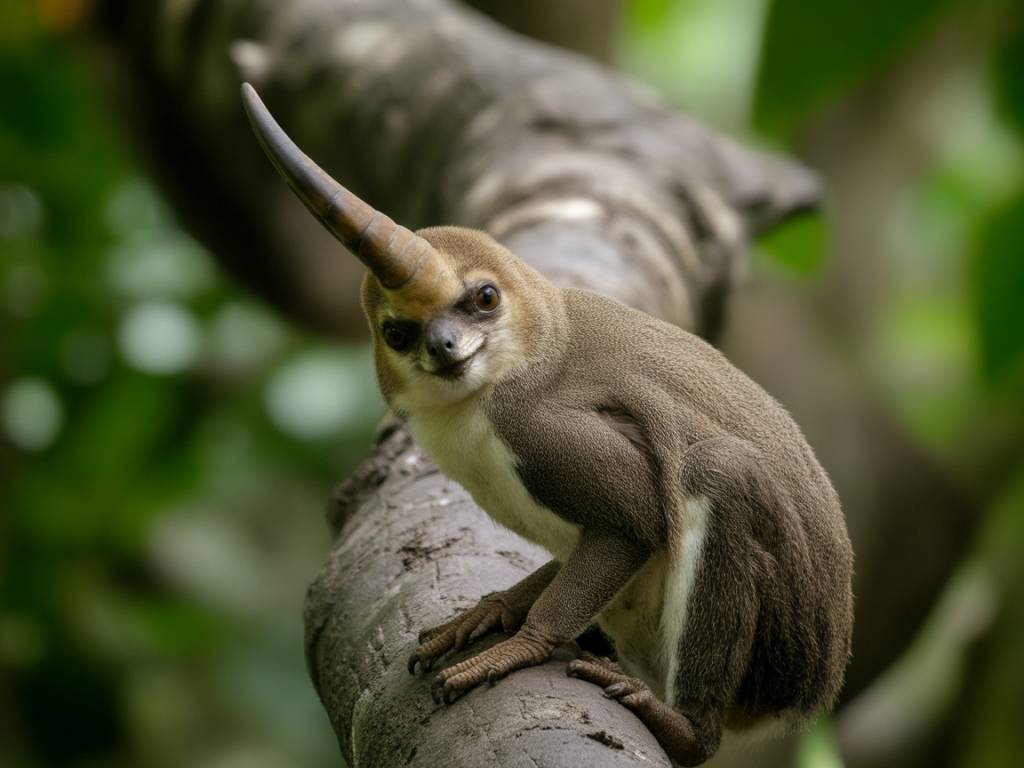
No animal quite embodies the soul of Costa Rica like the sloth. Unhurried, unbothered, and always seemingly in a state of blissful meditation, they’re beloved even by those who don’t consider themselves animal enthusiasts.
Both species — the two-toed and the three-toed sloth — call the southern forests home. While they can be tricky to spot high up in the trees, a good local guide will have the eyes trained for their sleeping humps curled in the canopy.
One afternoon near Dominical, under the drizzle of a tropical sun shower, I watched a three-toed sloth slowly descend to the forest floor to relieve itself (they only do this about once a week — their only regular break from the trees). She paused, looked up, wet fur glistening, and offered what felt like a contented smirk. Tell me that’s not wise.
Tips for Ethical Wildlife Encounters
It’s easy to get swept up in the excitement of wildlife spotting, but always remember: you’re a guest here. Responsible travel ensures these creatures — and the ecosystems they depend on — thrive long after we’ve packed up our hiking boots.
- Hire local guides. They know the rhythms of the land and will enrich your experience tenfold.
- Keep a respectful distance. Don’t bait, feed or touch wildlife — admire them on their terms.
- Stick to trails. It protects both you and the creatures who call the underbrush home.
- Choose eco-lodges that prioritize regenerative practices and support conservation.
In the Southern Zone, wonder hides at every turn. It whispers from the treetops, slinks through the shadows, and hops unseen between leaves. All you have to do — truly — is look, listen, and let your heart stay open long enough to receive it.