
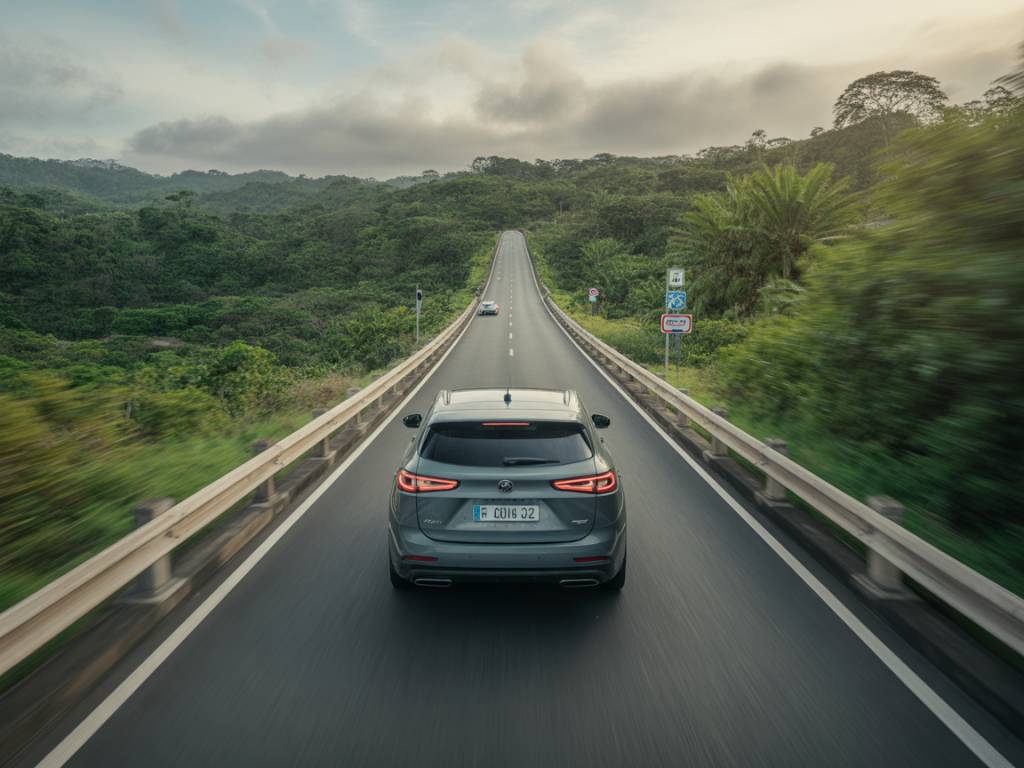
Embracing the Road: Should You Drive in Costa Rica?
There’s a certain thrill to setting off across Costa Rica with nothing but a map (digital or paper, your choice), an adventurous playlist, and the keys to a rental car. The road winds ahead, fringed with rainforests, beaches, sleepy villages, and cloud-wrapped volcanoes. But behind the wheel, freedom comes with a few rules, quirks, and surprises worth knowing before you buckle up. So—should you drive in Costa Rica? For the curious soul, absolutely. But here’s what you need to know.
Driving in Costa Rica: What You’re Actually Signing Up For
Let’s be honest: driving in Costa Rica is not like gliding along a Swiss autobahn. Rather, it’s a dynamic, unpredictable, sometimes bumpy dance between nature and infrastructure. One moment you’re coasting along the scenic Coastal Highway with the Pacific glistening beside you, and the next you’re navigating potholes the size of a small child in a mountain village. It’s an adventure—but that’s precisely what makes it so incredibly rewarding.
Here’s the beauty: having your own car gives you the freedom to pull over at that hidden mirador, chase waterfalls off the beaten track, or sip homemade jugo de guanábana from a roadside soda. You’re not chained to rigid tour schedules or the constraints of public transport. Yet, with that comes responsibility—and a few bureaucratic layers to peel back.
Renting a Car: What You Need to Know
First things first: yes, you absolutely can rent a car with your foreign driver’s license. Most rental companies will accept it if it’s in the Roman alphabet and you’ve held it for at least two years. You must also be at least 21 (sometimes 23, depending on the agency).
One unavoidable surprise for many travelers? The mandatory local insurance, often excluded from the advertised online price. What starts as a deal at $20/day might swell to $50 or more once all insurances are added. Be sure to:
- Confirm if your credit card offers Collision Damage Waiver (CDW) and make sure it covers rentals in Costa Rica.
- Understand that third-party liability insurance (Responsabilidad Civil) is mandatory by law.
- Inspect your vehicle meticulously before driving off—and film it! Uneven roads can leave a mark (or two), and keeping evidence is just smart traveling.
Road Conditions: Expect the Unexpected
Costa Rican roads are like moods—unpredictable and often tied to the weather. In dry season, dust clouds sweep behind you on gravel roads. But come green season, rains reshape the terrain. Mudslides, fallen trees, flash floods… the jungle likes to remind us who’s in charge.
Some main roads are paved and in good condition (such as Route 1 or Route 27 connecting San José to the Pacific), but rural and beachside areas often feature unpaved roads with rogue potholes, wobbly bridges, or even shallow rivers demanding a cautious crossing.
Which brings us to a key tip: If you plan on getting off the tourist path (and you should), opt for a 4×4. It’s not just for show—it’s for sanity.
Rules of the Road… and the Jungle
The official rules? Drive on the right, seatbelts on, no texting while driving, and don’t drink and drive—a BAC above 0.05% is a criminal offense. Speed limits are in km/h and vary depending on the road type—though you’d be forgiven for wondering, as signage can be sparse or vaguely placed.
That said, there’s an unofficial set of « rules » you’ll start to notice:
- Motorbikes will overtake you—on the left, right, and sometimes when you least expect it. Stay alert.
- Animals have the right of way. Cows, iguanas, coatis, dogs—they all make sudden appearances.
- Locals may drive aggressively or… artistically. Expect sudden stops or unpredictable overtaking on curves.
- Hazard lights = everything: hazard lights can mean “I’m parked,” “I’m letting someone pass,” or simply “I’m confused”—take them as a conversation rather than a rule.
Driving here is very much about attuning to the rhythm of the land, reading between the lines, and, sometimes, between the horns.
GPS, Waze & Asking for Directions
Google Maps is decent. Waze is king. Most locals use it and it provides the most up-to-date navigation, traffic alerts, and even the occasional speed trap tip-off (not that you’d ever speed, of course).
Curiously, Costa Rica isn’t big on street names or numbers. Instead, you’ll hear instructions like « go 300 meters north of the blue church » or « turn right after the mango tree. » Don’t underestimate how charming—and how bewildering—this can be.
If in doubt, ask a local. Even if your Spanish is rusty, a smile and a polite “¿me puede ayudar?” often go a long way. And chances are, you’ll get directions that come with a story, or a mango.
Parking: Official and Otherwise
In towns like Tamarindo, Nosara, or San José, parking can be tight and signage unclear. If you’re unsure, look for:
- Blue parking zones (usually metered).
- Private lots—safer but pricier.
- Guachiman—these unofficial parking attendants, often in reflective vests, will “watch over” your car in exchange for a tip of ₡500-1000.
Don’t leave valuables visible. Theft from cars does occur, particularly in popular tourist areas or at trailheads. Lock everything, always. Think of your car as a turtle—safe and slow, but with valuables tucked deep inside.
Daylight and Driving: Timing is Everything
There’s a golden rule here: try to avoid driving at night. Not only are many roads poorly lit (or not lit at all), but nighttime also sees more wildlife activity, less driver predictability, and reduced visibility of hazards like washed-out bridges or flooded segments.
Sun sets early—usually around 5:30 to 6:00 pm year-round. Plan your driving time accordingly, and if a sunset beach dinner beckons, walk, taxi, or make it a short hop back.
Is It Safe to Drive in Costa Rica Alone?
Yes—but be prepared. Solo drivers should conserve phone battery, download offline maps, and avoid remote roads after dark or during storms. Locals are generally kind and helpful, and gas stations (open even in small towns) are good stopovers if you need to ask directions or stretch your legs.
Keep emergency numbers saved—911 works across the country, and your rental car provider should have a 24/7 assistance line.
Little Roadside Joys: The Journey Is the Destination
Driving here isn’t just about getting from A to B—it’s about what you find between those two letters. Maybe it’s the legless man handcrafting wooden animals on the side of the road between Liberia and Monteverde. Or the steaming thermales bubbling near a farm, with no ticket booth in sight. Or a dusty pulpería where you try chicharrones and strike up a conversation that changes the course of your day.
There’s magic hidden in detours, in flat tires that lead to laughter, and in wrong turns that end at perfect, virginal beaches. Costa Rica doesn’t hand over her secrets all at once—you have to meet her halfway, with patience, curiosity, and a spirit wide open.
Final Tips For a Smooth Road Trip
- Fill up in advance, especially before entering remote areas or mountainous regions.
- Keep small change for toll booths and local purchases.
- Remember weather shifts—rain gear, sunscreen, and insect repellent are road trip staples.
- Listen to your instincts. If a road looks washed out or questionable, turn back.
So yes, driving in Costa Rica requires a touch more mindfulness than back home. But with every pothole avoided and every roadside coconut sipped, the country slowly unravels its generous wild heart. Behind the wheel, you’re the narrator of your own jungle tale. And trust me—once you taste that freedom, there’s no going back to the tour bus.