Most travelers hear « rainy season » and quietly reroute their plans. That’s a mistake — and a costly one. Costa Rica’s green season, which runs from May through November, is one of the most rewarding times to visit the country. Waterfalls roar at full force, wildlife is abundant, prices drop significantly, and the crowds that swarm the dry season trails simply aren’t there. This guest’s guide to navigating Costa Rica’s rainy season with ease will give you everything you need to plan smart, pack right, and enjoy every single day — yes, even the wet ones.
What the Rainy Season in Costa Rica Actually Looks Like
Forget the image of endless grey skies and cancelled plans. Costa Rica’s rainy season follows a remarkably consistent daily pattern that works in your favor once you understand it.
- Mornings are almost always clear — typically bright, warm, and perfect for outdoor activities.
- Rain usually arrives in the afternoon, between 2 p.m. and 5 p.m., and often lasts one to three hours.
- Evenings can be dramatic — thunderstorms roll in with thunder, lightning, and a tropical intensity that is genuinely spectacular to witness from a covered veranda.
The Pacific Coast, including areas like Nosara, Tamarindo, and the Nicoya Peninsula, sees the most pronounced dry mornings. The Caribbean side and zones like Tortuguero receive rain more evenly year-round. Knowing your region matters when planning day trips and activities.
September and October are the wettest months overall, while May and November serve as shoulder months with more mixed, manageable weather. If you want the lushness of green season with slightly fewer rain hours, June and July are the sweet spot.
A Guest’s Guide to Navigating Costa Rica’s Rainy Season with Ease: Plan Your Days Around the Weather
The single most effective strategy for enjoying green season in Costa Rica is simple: move your activities to the morning. This isn’t a compromise — it’s a lifestyle upgrade.
Make the Most of Your Mornings
- Book guided hikes, zip-line tours, and surf lessons before noon.
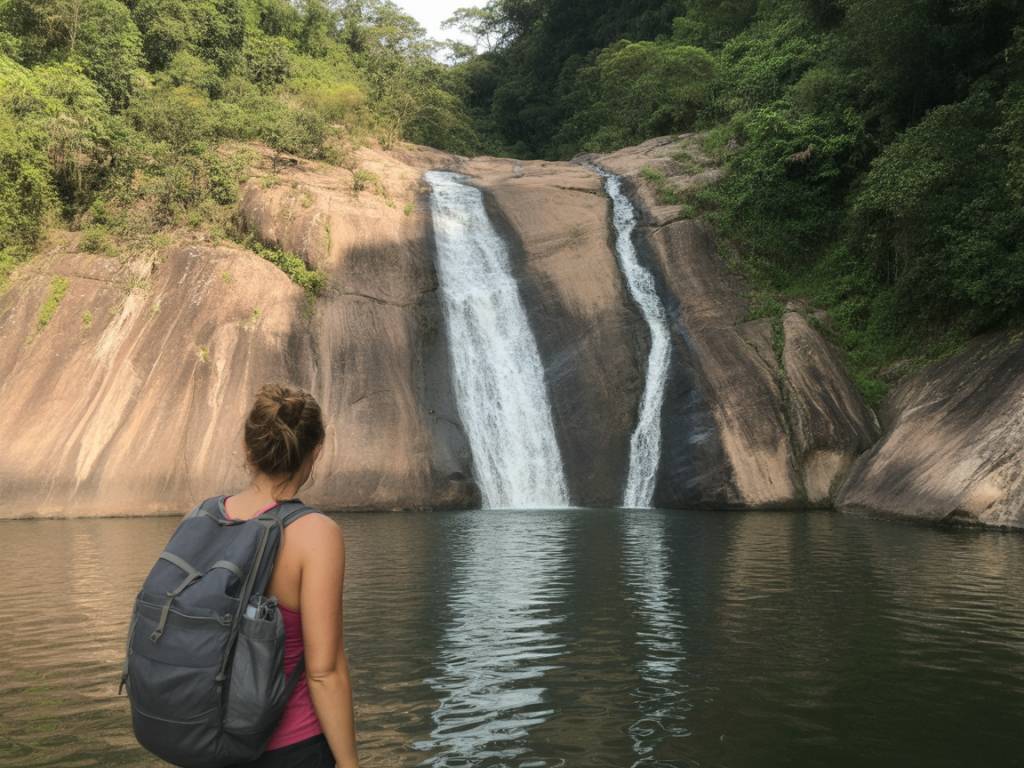
- Visit waterfalls like La Fortuna or Nauyaca early — they’re swollen and spectacular, and you’ll beat any remaining dry-season visitors.
- Horseback riding along beach trails, kayaking through mangroves, and wildlife walks are all best experienced in morning light.
Use Your Afternoons Intentionally
- Return to your villa, rinse off, and settle into a hammock with a good book as the rain begins its daily performance on the rooftop.
- Visit local sodas — family-run restaurants serving casado, gallo pinto, and fresh fruit — for a long, unhurried lunch.
- Explore artisan cooperatives, local markets, and cultural sites, which are often covered and rarely crowded during afternoon showers.
- At Villa Mango, the covered outdoor spaces and jungle views make rainy afternoons one of the most cherished parts of a guest’s stay.
What to Pack: A Practical Rainy Season Checklist
Packing correctly is non-negotiable for green season travel. The right gear transforms a soggy afternoon into a minor detail rather than a ruined day.
- Waterproof rain jacket — not just water-resistant; fully waterproof. Lightweight and packable is ideal for day hikes.
- Moisture-wicking, quick-dry clothing — synthetic fabrics dry in hours; cotton does not. Leave the denim at home.
- Waterproof sandals or trail shoes — you will get muddy. Grip and drainage matter more than style.
- Dry bags or waterproof pouches — essential for protecting phones, cameras, and documents during sudden downpours.
- Insect repellent — rain season brings more mosquito activity, especially at dusk near water and jungle edges.
- A small daypack cover — inexpensive, lightweight, and invaluable on any trail.
Wildlife and Nature: Why the Green Season Delivers More
This is the part most first-time visitors don’t expect: the rainy season is arguably the best time for wildlife viewing in Costa Rica. With fewer tourists on trails, animals are less disturbed and more visible.
- Sea turtle nesting peaks in Tortuguero between July and October — one of the most extraordinary natural events in the Americas.
- Frogs, including the iconic red-eyed tree frog, are far more active during and after rain, making evening tours a highlight.
- Migratory birds pass through between September and November, making green season a genuine draw for birdwatchers.
- Resplendent quetzals in the cloud forests of Monteverde are more frequently spotted when visitor numbers are lower.
- Coatis, sloths, and howler monkeys appear regularly on morning walks — and without crowds, the experience feels entirely personal.
Waterfalls, too, reach their full dramatic potential in these months. Rio Celeste in Tenorio Volcano National Park glows an otherworldly turquoise, fed by the surrounding volcanic terrain and rainwater — a sight that genuinely stops people in their tracks.
The Financial Case for Visiting During Green Season
Traveling smart means traveling during green season. Rates across accommodations, tours, and rental vehicles drop meaningfully compared to the December–April high season.
- Many boutique villas and lodges — including Villa Mango — offer lower nightly rates during green season, sometimes 20–40% below peak pricing.
- Popular tours and activities are easier to book with short notice, and guides have more time for personalized experiences.
- Restaurants and local markets are less rushed, meaning better service and more authentic interactions with the community.
For families, couples, and solo travelers looking to experience Costa Rica deeply without a high-season budget, green season is the obvious answer.
Getting Around: Roads, Rentals, and Rainy Season Reality
One honest note: some rural roads in Costa Rica become challenging during heavy rainfall. Rivers can rise quickly, and unpaved tracks turn muddy. This is not a reason to avoid green season — it is a reason to prepare for it.
- Rent a 4×4 vehicle if you plan to explore remote areas such as Drake Bay, the Osa Peninsula, or inland Nicoya roads.
- Check road conditions with your accommodation host before setting out — local knowledge is more reliable than any app.
- Travel with buffer time built into your schedule; a road delay in green season often ends with a spontaneous roadside fruit stand discovery or an unexpected viewpoint pull-off.
- Domestic flights between San José and coastal destinations like Quepos or Puerto Jiménez remain a reliable option during heavy rain periods.
Slow Down and Let Costa Rica Find You
There is something that happens to guests who visit during the rainy season — something the itinerary-heavy dry-season traveler rarely encounters. When the afternoon rain arrives and the pace drops, Costa Rica reveals itself more quietly. The smell of wet earth and mango drifts through an open window. A local neighbor stops to share a joke under a shared awning. The howler monkeys settle into the trees just beyond the garden fence.
Ticos — as Costa Ricans call themselves — have always lived alongside the rain with warmth and ease. Watching them do so is a quiet education in pura vida: a life that doesn’t fight its conditions but flows with them.
Costa Rica’s rainy season isn’t an obstacle to your trip. For the prepared, curious traveler, it is the trip. Come with the right gear, a flexible mindset, and your mornings cleared for adventure — the rest will take care of itself beautifully.