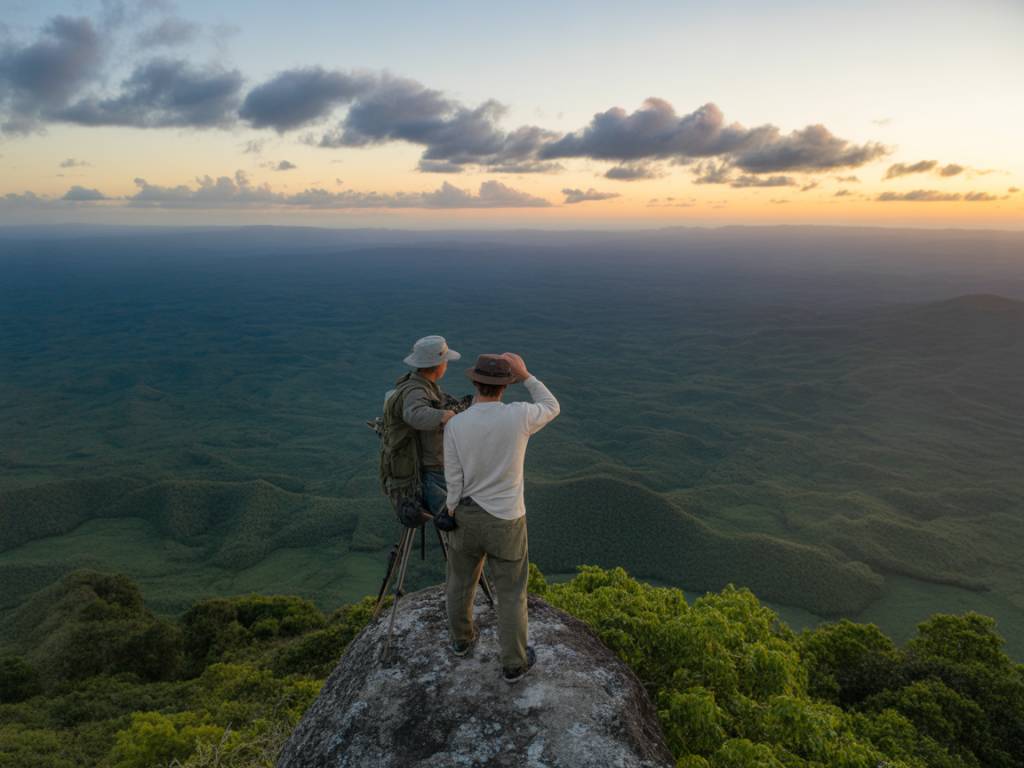
Step outside before sunrise in Uvita and the jungle is already awake. A scarlet macaw cuts low across the treeline. A distant motmot drums its hollow note through the mist. Within minutes, the air is layered with calls you can barely name — yet. The southern Pacific coast of Costa Rica is one of the most rewarding birdwatching destinations in the Americas, and Uvita sits right at its heart. To make the most of every outing, knowing the best times of day for birdwatching around Uvita and what to bring is the difference between a handful of glimpses and a morning that changes how you see the natural world.
Best Times of Day for Birdwatching Around Uvita
Bird activity in tropical ecosystems follows the light and the heat. Around Uvita, two windows consistently produce the richest sightings, with midday offering a quieter but still worthwhile experience if you know where to look.
Early Morning: The Prime Window (5:30 AM – 8:30 AM)
This is the undisputed peak. Temperatures are cool, humidity is manageable, and bird activity is at its highest. Resident species are foraging, singing to establish territory, and moving through the canopy before the heat sends them into shade. In this window you can realistically spot toucans, trogons, tanagers, motmots, and — in the right habitat — a resplendent quetzal if you venture toward higher elevations.
- 5:30 – 6:30 AM: Pre-dawn and the first light. Owls and nightjars are still active. Listen for the ferruginous pygmy-owl before it retreats.
- 6:30 – 7:30 AM: Full chorus. This is statistically when the most species are visible and vocal. Move slowly, stop often.
- 7:30 – 8:30 AM: Activity begins to taper but forest interior species — woodcreepers, antbirds, manakins — remain active in shaded trails.
Late Afternoon: The Second Surge (4:00 PM – 6:00 PM)
As the sun softens and temperatures drop, the forest wakes again. Raptors ride late thermals, parakeets and parrots return to roost in noisy flocks, and waterbirds become active along the coast near Marino Ballena National Park. The golden light during this window is also ideal for photography — softer shadows and warmer tones make every shot more striking.
- Watch the skies above open fields for swallow-tailed kites and broad-winged hawks during migration season.
- Coastal edges near the Whale Tail sandbar attract herons, sandpipers, and brown pelicans feeding with the tide.
- Stay until last light: common pauraques and other nightjars often appear just as visibility fades.
Midday: Slower but Not Empty (9:00 AM – 3:00 PM)
Midday is quieter, but dismissing it entirely is a mistake. Shaded riverine trails, dense forest paths, and spots near water remain productive. Look for species resting in the canopy — they may be still, but they are visible. Kingfishers, herons, and iguanas sharing a quiet stretch of river are a classic midday scene around Uvita.
Top Birdwatching Spots Around Uvita
The variety of habitats within a short drive of Uvita is exceptional. Each ecosystem hosts a distinct set of species, so rotating between locations across your stay multiplies your chances dramatically.
- Marino Ballena National Park: Coastal forest fringes and mangrove edges host herons, flycatchers, and the elusive boat-billed heron. The park entrance trail at dawn is reliably productive.
- Hacienda Barú National Wildlife Refuge: One of the best single sites in the region. Varied habitats — mangroves, secondary jungle, pasture, and primary forest — regularly yield 80 to 100+ species in a morning session. A full-day visit is highly recommended.
- Alturas Wildlife Sanctuary: Set in the hills above Uvita, ideal for species that favor elevation. The views toward the coast double as raptor-watching platforms in the afternoon.
- Road to San Luis / Higher Elevations: For cloud forest species including emerald toucanets, golden-browed chlorophonias, and occasionally the resplendent quetzal, pushing into the hills north of town pays off. Go early and go slow.
- Río Uvita and Wetland Edges: Local wetlands and river mouths are underrated. Green kingfishers, ringed kingfishers, anhingas, and wading birds concentrate here at low tide.
Seasonal Birdwatching Calendar for Uvita
The hour matters, but so does the month. Uvita’s birdwatching calendar breaks into three distinct phases, each with its own highlights.
- Dry Season (December – April): Clear skies, low vegetation density, and easier visibility in the forest understory. Peak season for tourists and for many North American migratory species — warblers, tanagers, and raptors that winter along the Pacific coast.
- Green Season (May – November): Rain arrives in the afternoons, but mornings remain productive and often spectacular. Breeding plumage is on full display, forest density is lush, and competition from other birders is minimal. Many experienced birders consider this the most rewarding period.
- Migration Surges (August – October): Uvita lies along a key raptor and shorebird migration corridor. Broad-winged hawk kettles, peregrine falcons, and large flocks of shorebirds move through coastal plains and headlands. Scan the sky above open areas from mid-morning onward during this period.
What to Bring for Birdwatching Around Uvita
The right gear makes every outing more comfortable and every sighting more satisfying. Here is a practical, field-tested checklist for birding in this region.
Essential Optics and Identification Tools
- Binoculars (8×42 or 10×42): The single most important item. Opt for waterproof models with good low-light performance — useful for dawn and dusk sessions.
- Field guide: The Birds of Costa Rica by Garrigues and Dean remains the gold standard for this country. Compact enough to carry in a daypack.
- Merlin Bird ID app (Cornell Lab): Works offline and includes Sound ID, which identifies species by their calls in real time — extraordinarily useful in dense forest where birds are heard before they are seen.
- Notebook and pencil: Logging behavior, habitat, and time of day builds your own local knowledge faster than any app can.
Clothing and Personal Comfort
- Neutral-colored clothing: Olive, beige, khaki, or grey. Avoid white and bright colors that startle birds at close range.
- Long sleeves and lightweight pants: Protection from sun, insects, and trail vegetation without overheating in tropical conditions.
- Sturdy, waterproof trail shoes or boots: Trails around Uvita can be muddy even in the dry season near rivers and mangroves.
- Wide-brim hat: Essential for scanning the canopy without squinting into direct sunlight.
Supplies and Safety
- Water (at least 1.5 liters): Humidity is high even when temperatures feel moderate. Dehydration sneaks up quickly on slow-moving forest walks.
- High-energy snacks: Granola bars, nuts, or fruit. Early starts mean leaving before breakfast spots open.
- Natural insect repellent: Effective against mosquitoes and no-see-ums without harming the wildlife around you.
- Lightweight rain poncho: Even in the dry season, mountain clouds bring short showers. A poncho folds to nothing and saves the day.
- Camera with telephoto lens (optional): A 400mm equivalent gives you reach for canopy and shy species. Bring spare batteries — cold mornings and humidity drain them faster than expected.
Going Guided or Solo: An Honest Assessment
Both approaches have genuine merit depending on your experience level and goals.
Solo birding rewards patience and silence. Moving at your own pace, stopping when something catches your ear, letting a single spot reveal itself over an hour — this is where many birders find the deepest satisfaction. If you already have a working knowledge of Neotropical species, going solo with a good field guide and Merlin is entirely viable around Uvita.
Guided birding accelerates everything. Local guides carry decades of habitat knowledge. They know which tree the trogon nested in last season, which clearing the manakins use for their dawn lek, and how to read a silent canopy for movement. For first-time visitors or those targeting specific species, a guide is not a luxury — it is the most efficient use of limited time. Ask at eco-lodges around Uvita or contact the Hacienda Barú Wildlife Refuge directly for recommended local specialists.
A Few Habits That Will Improve Every Outing
- Arrive before the light does. Being in position at a productive spot before sunrise consistently outperforms arriving after dawn.
- Listen first, look second. In dense tropical forest, you will hear 80% of species before you see them. Train your ears and let sound guide your eyes.
- Stay still more than you move. Walking slowly through forest produces fewer sightings than standing quietly at a forest edge or gap and letting birds come to you.
- Return to the same spots. Familiarity with a location over multiple days reveals patterns — which branches are favorite perches, where the fruiting tree is attracting tanagers, when the kingfisher makes its first pass of the morning.
Uvita offers something rare in the modern world: wild, layered, exuberant nature within easy reach of where you are staying. The best times of day for birdwatching around Uvita and what to bring outlined here are your starting point — but the birds themselves will teach you the rest. All you have to do is show up before sunrise and pay attention.